
-The Council has announced a series of drop-in sessions over the next few weeks in different locations. You can ask questions or submit representations. To find out where and when the sessions are or to find out how to make representations, check here on the Council’s web-site.
The April/May Forum Focus is now out
It should be with you by now. Forum Focus is one of the many benefits that membership of the Forum brings.
This issue leads with an article on the issues that really matter to older people and what we, as older people in Enfield, really think would improve our lives. If you are interested in any of the activities of the Forum, browse this site, read the newsletter or contact us. If you are not yet a member, visit the membership page!
Meanwhile, to view or download Forum Focus, click here.
Local Voices Needed
Now is the time to get involved if you want to influence the final version of Enfield Council’s New Local Plan!
Enfield, a borough with a rich history and a vibrant community, is at a pivotal moment. The decisions made today will reverberate for generations. Enter the New Local Plan, a blueprint that will guide Enfield’s development, housing, and environment until 2041.
The clock is ticking. We have just a month to make our voices heard. This is your chance to influence the future, to advocate for homes, green spaces, and sustainable growth.
Before the Local Plan debate at the Full Council meeting on March 6, 2024, our elected representatives should reach out to their constituents. They should discuss aspirations for homes, the environment, and the delicate balance between progress and preservation. It’s a crucial conversation – one that bridges the gap between policy and people.
We encourage members to contact their ward councillors to request a ward forum where the plans can be discussed. A summary of proposals for each ward can be accessed here. Just click on the links in the document to see your councillors’ contact details.
In 2021, the draft Local Plan emerged and received 7,267 written responses. The need for additional housing, and affordable housing, was undeniable, but so were concerns about deliverability, the lack of infrastructure to support the growth proposed, the number of tall buildings proposed and the release of Green Belt land.
The revised plan is targeting 35,000 new homes by 2041. That’s a staggering leap from the draft proposal in 2021. These numbers are far in excess of London Plan targets and would mean one new home for every four existing ones. Building these homes would require building on green belt land, roughly 40 times the size of Enfield Town Park, justifying residents’ concerns about the sufficiency of infrastructure such as roads, schools, primary healthcare, and green space for health, leisure, and well-being.
Enfield is not alone – the Council should consider its strategic role within London, as directed by the Mayor through the London Plan, whereby each borough, including Enfield, has a role to play and a housing target to reach. The London Plan targets can be met without building homes on green belt land. Furthermore, data provided by EnCaf indicates that, far from being balanced, consultees’ support for releasing green belt land for housing development is very limited indeed.
Enfield stands at a crossroads. Let’s ensure that our legacy is one of foresight, compassion, and sustainable growth. Together, we’ll build a future that honours our past and embraces the promise of tomorrow. A web search on “Enfield’s New Local Plan” links to the relevant page on the Council’s website. Appendix C (parts 1, 2 and 3) at the bottom of the page reveals detailed site allocations.
The December/January Forum Focus is out!
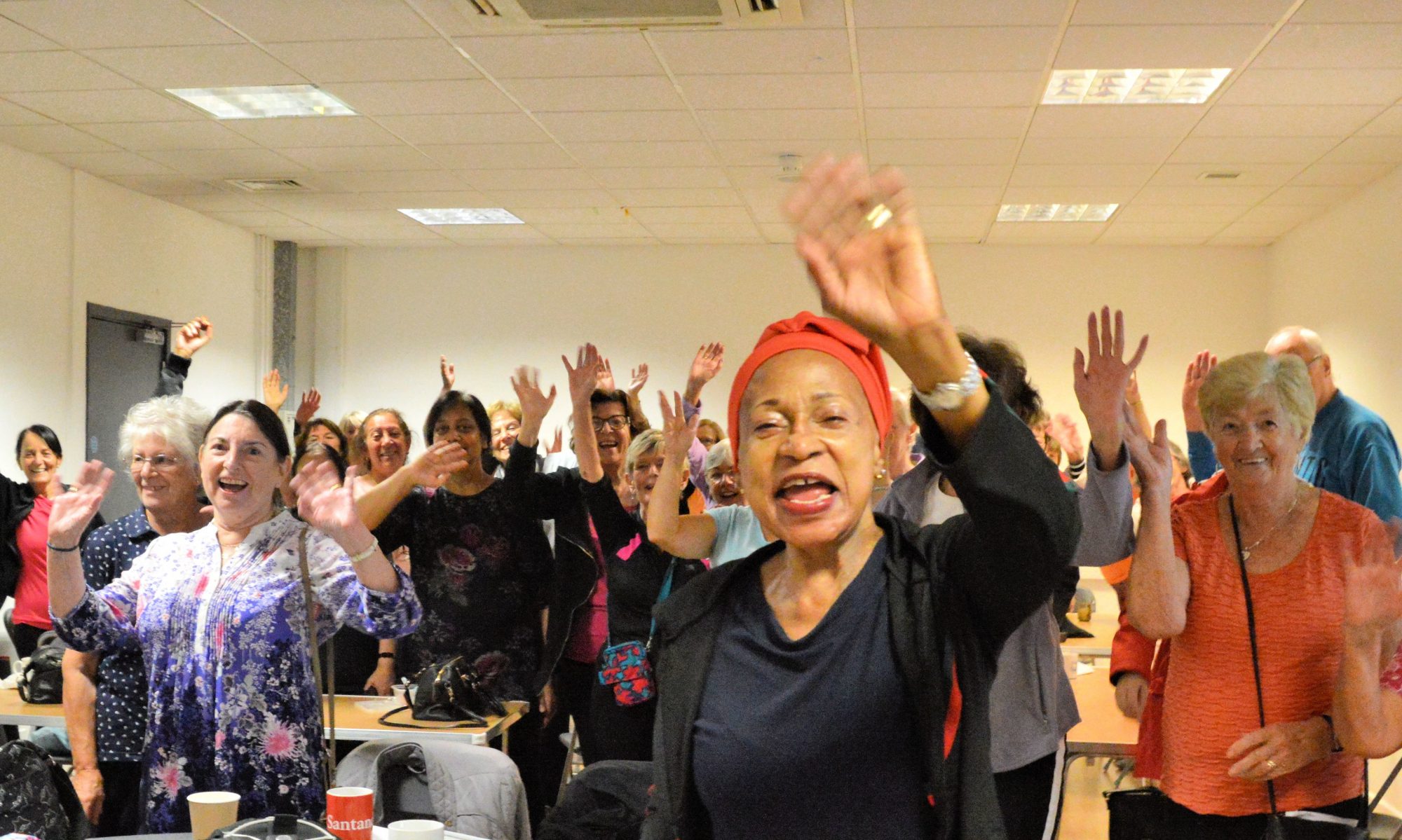
You should have it by now. The issue leads with a report from our very successful Fit in mind and body event on the 25th October but includes much more than that! including
- Enfield’s housing crisis,
- The heat network,
- Recycling at the M&S in Enfield Town,
- Railway ticket offices,
- Community engagement,
- Measles makes a comeback,
- London poverty,
- plus all the regular features and details of Forum and Forum club events.
If you left your copy at home, you can read or download it on this site. Just visit our newsletters page for this and previous issues.
Forum meetings for January and February 2024
We have added the first two meetings of 2024 to our meetings page.
Chance to Dance
Do you fancy improving your dancing? We would like to be able to offer dancing classes with a professional teacher but need about 20 people to keep the costs low though the first two classes will be for free!!
We already have nine very enthusiastic takers, so let us know if you would like to join them. Classes will be run in partnership with Platinum Dance Academy, which is based in Millfield House where we are based.
Call the office if you are interested. See our Contact Us page for our phone details, office hours and how to get to Millfield House.
Board Games
We have launched a Board Games afternoon — every second Wednesday 1-3pm at Millfield House. Free entry and tea and coffee provided. Feel free to bring biscuits!! Come along on 1,15, 19 November. Just turn up or, for more information call the office on 020 8807 2076.
The October/November Forum Focus is now here
It leads with an Age UK report that concludes that we need to move to a “home first” appproach for care and support.
In addition to all the regular items and information on groups, activities and what we are doing, this issue has articles on :
- Air pollution in Outer London,
- new drugs for treating Alzheimer’s disease,
- and Is Enfield’s district heat network really as low carbon as is claimed?
If your copy is not to hand, you can, as always, read it and many previous issues on our Newsletters page.
More Forum meetings coming.
We have added to the list of forthcoming Forum Meetings. Visit the Forum Meetings page for details.
Join the lottery club
Play the lottery and support the Forum while having the chance to win £400 a month. See the Forum Groups page for details.